Best Pixel Art Converters Compared (2025): Which Tool Fits Your Workflow?
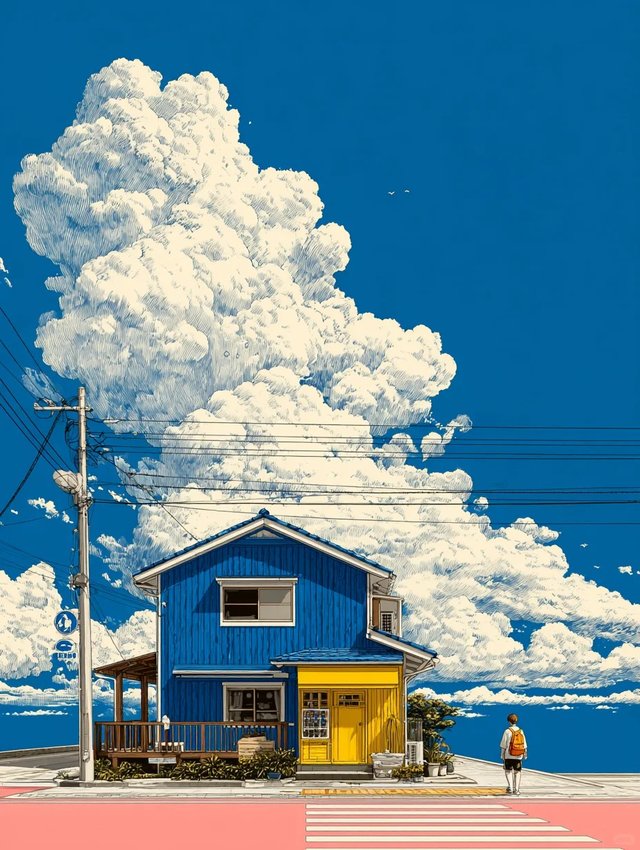
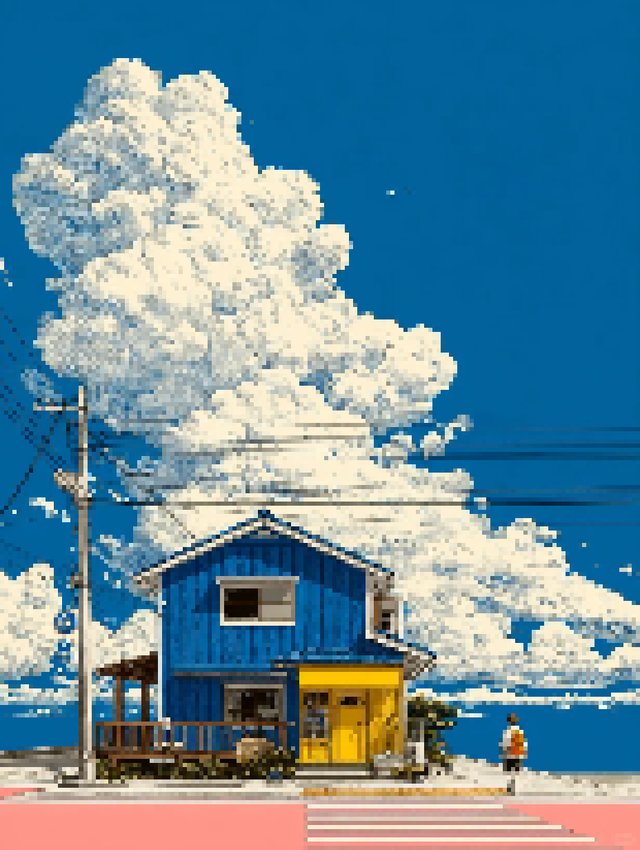
Choose the right converter before you invest time in one workflow.
Compare pixel art converters by privacy, control, ease of use, and output quality to find the right fit for photos, sprites, and retro-style artwork.
Updated November 2025 by Pixel Art Village Team.
Choosing the best pixel art converter depends on what you care about most: private processing, quick browser-based testing, animation tools, or tighter control over palette and cleanup. This guide compares the tradeoffs so you can pick the right workflow for photos, sprites, icons, and retro-style artwork.
If you want to test a browser-based workflow while you read, open the Image to Pixel Art Converter. Then come back to compare it with the rest of the shortlist.
What we compared
- Privacy and whether your files stay on your device
- Palette, size, and cleanup controls
- Output quality for sprites, icons, and reference images
- Ease of use for beginners versus experienced artists
- Performance and export flexibility
Our evaluation criteria
1. Privacy and file handling
- Does the tool process images locally or upload them to a server?
- Are accounts, watermarks, or usage limits involved?
2. Conversion control
- Can you adjust pixel size, palette, dithering, and color cleanup?
- Is the preview fast enough to iterate without friction?
3. Output quality
- Do edges stay readable after downscaling?
- Can you export a result that works for sprites, icons, or mockups?
4. Ease of use
- Can a beginner get a usable result quickly?
- Does the interface still leave room for deeper control?
Shortlist of tools
1. Pixel Art Village (.org)
Website: https://pixelartvillage.org/
Best for: Private browser-based conversions with live controls
Pixel Art Village keeps the workflow simple: upload an image, adjust pixel size, palette, brightness, contrast, and dithering, then export without sending the source file to a server. It is a strong fit if you care about privacy and want a quick browser workflow.
Pros:
- Private in-browser processing
- Live preview and export controls
- Good fit for sprites, icons, and reference art
Cons:
- Works best in modern browsers
- Not a full frame-by-frame animation editor
2. Pixel Art Village (.com)
Website: pixelartvillage.com
Best for: Quick experiments with example images
This tool is simpler and easier to understand at first glance, which makes it useful for fast testing. The tradeoff is that you get fewer advanced controls and less clarity around how images are processed.
Pros:
- Fast to try
- Easy for first-time users
Cons:
- Lighter control set
- Privacy details are less clear
3. Piskel
Website: https://www.piskelapp.com/
Best for: Animated sprites and frame-by-frame editing
Piskel is closer to a full pixel editor than a straight converter. It is excellent when you need animation tools, but heavier than necessary if your only goal is turning one image into pixel art.
Pros:
- Strong animation workflow
- Layer and frame tools
Cons:
- Steeper learning curve
- More than you need for simple one-off conversions
Recommendations
- Choose a browser-based converter when speed, privacy, and low setup matter most.
- Choose a full editor when you need animation or manual sprite work.
- Choose the tool with the smallest learning curve if you are only testing ideas.
Want to test a converter right now?
If you want a fast starting point, try the Image to Pixel Art Converter and compare the result against the other tools in this list.
Related Articles
How to Turn a Photo Into Pixel Art: SNES-Style Workflow
Turn a photo into pixel art with a practical SNES-style workflow that simplifies shapes, limits the palette, and keeps the final image readable.
How to Fix a Pixelated Image That Looks Blurry or Muddy
If your pixelated image looks blurry, muddy, or noisy, these cleanup steps help sharpen shapes, simplify color, and create a more intentional pixel art look.